

When I went to Mexico for Spring Break Missions this year, there were lots of good memories. One that stood out was our visit to an ecological farm. Their main product was cheese, but they had a lot of industry around that. It was interesting to look at the animals, but I was amazed by their garden vegetables. When we had lunch, the garden salad was a rare treat. I knew I had to do something.
When I got back home, I decided to plant my own vegetable garden. I went to Home Depot and picked up some seedlings and some seeds. When I got home, I saw a patch of free space in our backyard and laid down some topsoil. I planted carrot seeds, as well as some cherry tomato and broccoli seedlings. The most established plant was a head of lettuce that came in its own pot.
The garden had some real obstacles to survival. I was not as regular as necessary in watering the garden. The soil was made of clay. Finally, the deer, rabbits, and other critters I had never seen in our backyard came to claim their spoils of my poor, defeated vegetable garden. Sometimes it is good to have an experience like that to understand some of the parables that Jesus preaches. Jesus preaches in parables because he wants us to understand.
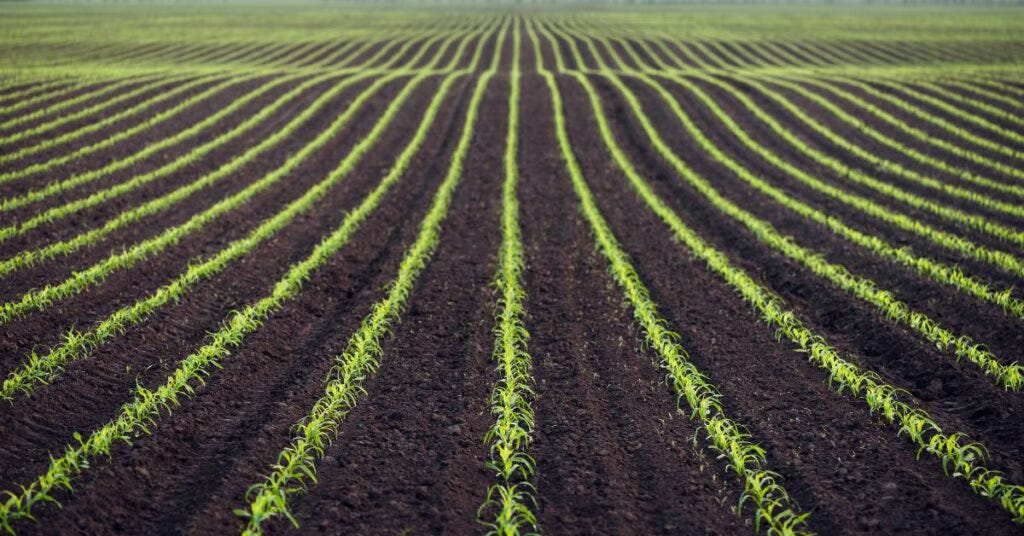
In the parable of the Sower, Jesus talks about four types of soil.
It is always a good invitation to us to see how we respond to God’s Word in our lives. The first reading gives us the key. Isaiah compares God’s Word to rain that waters the earth (cf. Is. 55:10-11). Jesus takes that same image a step further. The rain may fall generously, but the harvest depends on the condition of the soil. Pope Benedict XVI even called the Parable of the Sower (Mt. 13:1-23) an “autobiographical” parable because Jesus himself is the Sower who scatters God’s Word throughout the world.
Jesus recounts to the crowd the well-known Parable of the Sower. In a certain way, it is an “autobiographical” passage, for it reflects the very experience of Jesus, of his preaching. He identifies himself with the Sower who scatters the good seed of the Word of God and notes the different effects it obtains, in accordance with the way in which people hear the proclamation (Pope Benedict XVI, 10 July 2011).
Some of the seed falls on the hard path. Closed people refuse to open their ears to the Gospel. They never hear the Gospel message because they decide it is irrelevant. There are good and bad people who live this way. This is a temptation for people who write off religion as a superstitious practice that is beneath their dignity. Sometimes my heart becomes hard. Have I already decided that God has nothing new to say to me?
Other seeds fall on rocky ground. This refers to shallow people. Maybe they go to church, but it does not penetrate their lives effectively.
The thorny soil represents the distracted people who live chasing after the things of this world. They never have time to worry about Heaven, because they seek to find Heaven on earth. They may pursue fame and fortune, pleasure and power. So much of today’s world pressures us to stay distracted, so we miss the deeper things in life. The thorns are not necessarily bad things. Work, sports, social media, success, entertainment: even good things can crowd out the voice of God.
Finally, the good soil represents those who are receptive. We are receptive when we make the Word of God a practical part of our lives. We are called to be a receptive people. We do this when we allow the Word of God to enter our lives and to be the water that refreshes the desert of our souls. Good soil is not perfect soil. It is soil that remains open. Good soil listens, prays, repents, forgives, and keeps returning to the Lord.
This week, spend just ten minutes each day with Sacred Scripture. First, read and reflect on Isaiah 55:10-11. Then, read the daily Gospel from the liturgy. Before you close your Bible, ask two questions.
“What is God saying to me?”
“What will I do differently today because of it?”
Every garden depends on good soil. Every Christian life does too.