

I am beginning a new weekly series: Wednesdays with Wojtyła. I hope to reflect on the human person, drawing from the rich genius of Saint Pope John Paul II. There are so many topics that we could explore, and I hope to expand as time goes on. I have gone back to look at some of the philosophical thought of Karol Wojtyła, the man who would become Pope. I am impressed by his development of thought that always stays true to a few core ideals.
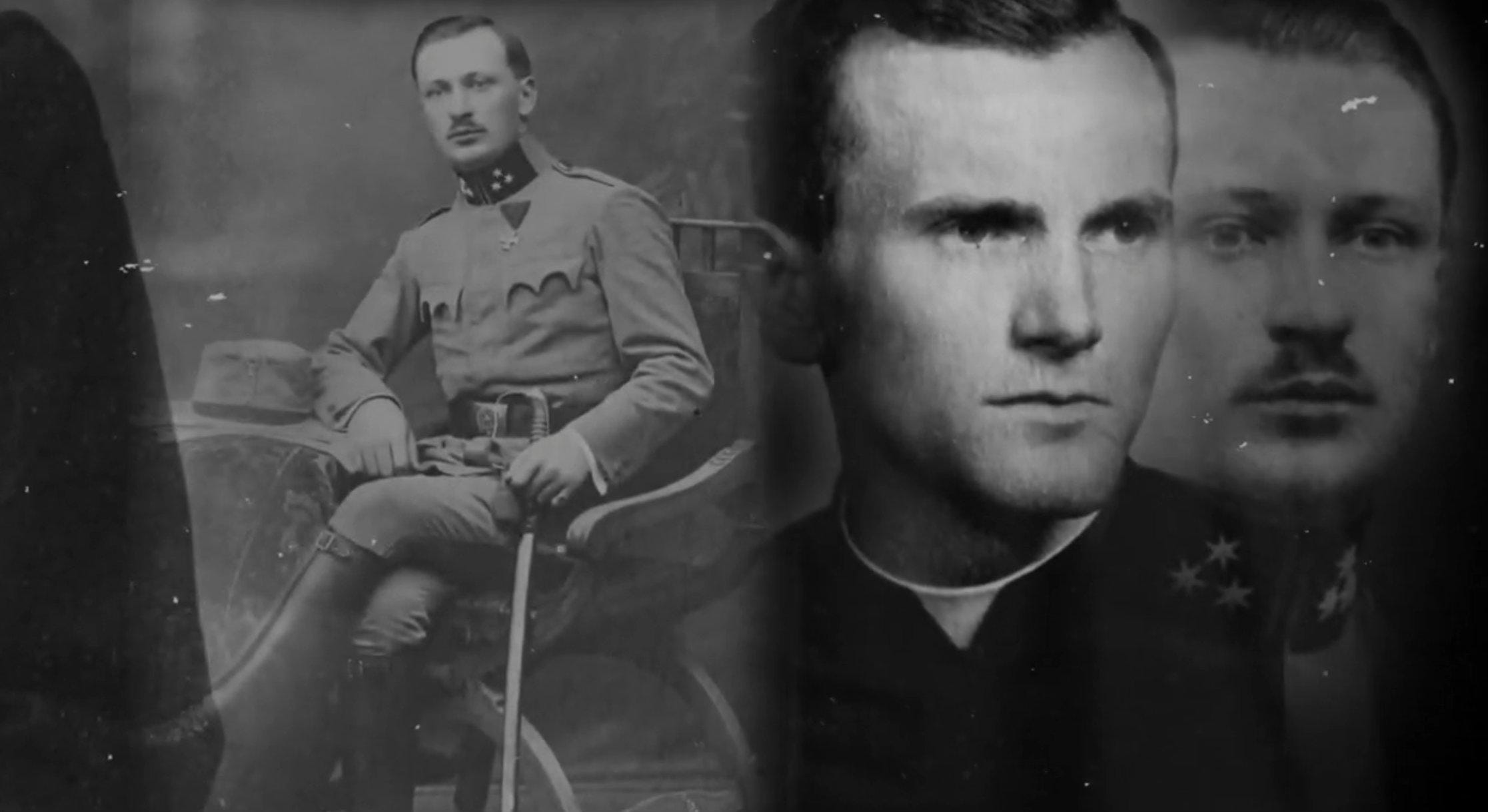
Pope John Paul II was convinced that the world today needs to understand what it means to be human. In this sense, it almost seems as though all the subsequent Popes keep commenting along the same lines. This does not mean departing from Christianity in favor of secular humanism. Rather, it means going deeper into the mystery of Christ as the only way to get to know who we are called to be as human beings.
In his first encyclical, Pope Leo XIV comments on safeguarding the human person in the time of artificial intelligence. I suppose there could be a risk of losing sight of Christ and descending into secular humanism. He avoids this by citing in the very first paragraph, Gaudium et Spes 22, easily Pope John Paul II’s favorite phrase from the entire Second Vatican Council. He goes on to declare that:
In Jesus Christ, this humanity in its grandeur becomes the Way, the Truth and the Life, opening the path for each of us to grow toward fullness (Pope Leo XIV, Magnifica Humanitas, 1).
Working with young people, I see a real crisis in how we understand what it means to be human. I think the thought of Pope John Paul II can help us now, just as it helped us in the perhaps even more bewildering times of his pontificate.
Faith and Reason
I propose to write about faith and reason during July and August. It is crucial to understand the importance of truth. Why does it matter? Are faith and reason opposed, or can they work together. What is the role of the university? Can science explain everything? I am excited about going deeper in his thought to prepare reflections on these topics. He did much to respond to the crisis of relativism by responding with a clear and beautiful witness to hope and truth.
Far from the reduction of the human person to secular categories, Karol Wojtyła was rooted in a profound love for the person of Jesus Christ. During September and October, I hope to explore his reflections on Christ the Redeemer. After encouraging the world to open their hearts to Christ the first time he stepped out on St. Peter’s Square, he wrote his first encyclical on Christ as the Redeemer of Man: Redemptor Hominis.
Gaudium et Spes 22
Central to Pope John Paul II’s thought is Gaudium et Spes 22. As a Council Father, Wojtyła contributed to the drafting of the document, and he remained deeply attentive to its Christological vision of the human person. While he was not able to achieve as much reference to truth in the document as he had hoped, he remained deeply attentive to the phrasing of Gaudium et Spes 22, reminding us that only in Christ can we know our true meaning and purpose.
Advent and Christmas invite us to walk beside Pope John Paul II to contemplate the Incarnation. God became man, so that we might become more like him. One of the great loves of Pope John Paul II is the Eucharist. I was privileged to witness him both celebrating the Eucharist and adoring humbly, the pastor who was pastored by the Good Shepherd. I look forward to reflecting on these themes in January and February.
Gospel of Life
March and April will allow us to reflect on the Gospel of Life. He spoke often about the culture of death, while he was an outspoken witness to a culture of life. Every human life matters and we have much to learn from him to see how to stand up for life when it is unpopular and uncomfortable.
Human beings need ritual, and in May I look forward to speaking about liturgy. The year will conclude by turning to creation itself, and John Paul II’s vision of the human person’s responsibility within it.