

If we want authentic and deep joy, we need to learn to observe the signs of God in our lives. Various events in the life of St. John Paul II hinted at the fact that he was called to do something greater than be a university professor inside the Communist bloc. When other young men were drafted into the military or killed by bombs during the Second World War, he narrowly escaped a similar fate. Only in hindsight can we see how prayer attuned him to the signs of God’s providence – raising the man who would eventually rise to the See of Peter. The Gospel gives us a biblical image of this same attentiveness to God’s signs: the Magi.
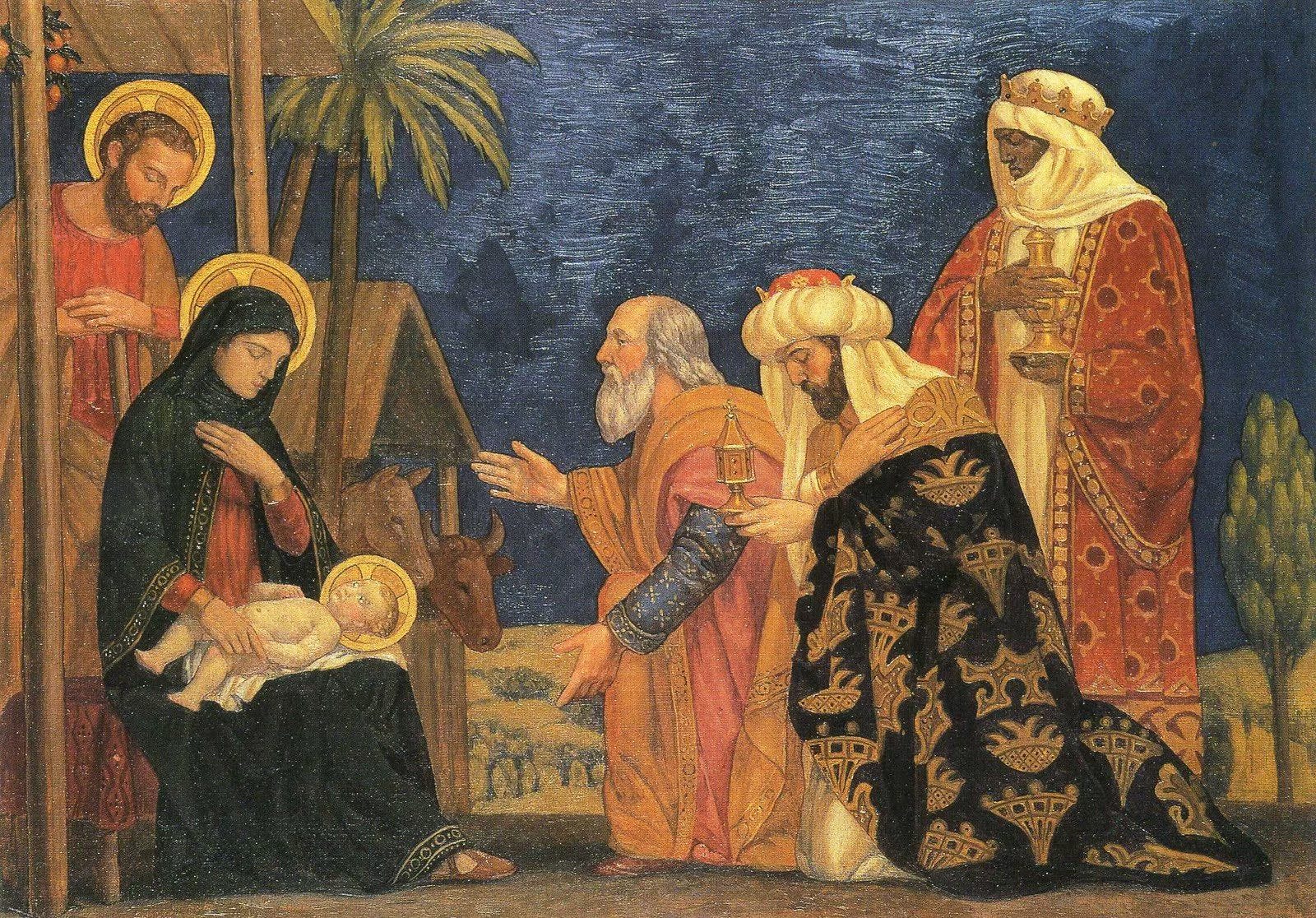
The Magi
The Magi represent every person who is seeking or searching for something. At the end of the day, we are all searching. We live in a world of limited resources, so we need to look for the things we need. As we celebrate the Epiphany, we can think about the way the Magi looked for Christ. Although they were learned men and probably comfortable from an economic and political point of view, they knew something was missing in their lives. Pope John Paul II referred to them as an image of what it means to follow Christ in his message for the 2005 World Youth Day in Cologne, Germany.
It is true to say that the light of Christ had already opened the minds and the hearts of the Magi. “They went their way” (Mt. 2:9), says the Evangelist, setting out boldly along unknown paths on a long, and by no means easy, journey. They did not hesitate to leave everything behind in order to follow the star that they had seen in the East (cf. Mt. 2:2) (Pope John Paul II, Cologne, August 2005, 1).
They left their palaces and studies behind to seek the newborn King in Bethlehem. There is something mysterious about the story of the Magi. They go beyond what we can figure out with human calculations. They are majestic figures, yet they are intrigued by the majesty of the Child born to a humble Galilean couple in Judea. Their story appears in the second chapter of the Gospel of Matthew.
When Jesus was born in Bethlehem of Judea, in the days of King Herod, behold, magi from the east arrived in Jerusalem (Mt. 2:1).
They had one goal: to see the newborn King of the Jews. Their studies of ancient prophecies led them to look for Jesus in Palestine. A mysterious star appeared and guided them towards the miraculous event. Uninterested in earthly power, the birth of a new king does not threaten them. It is only when they lose sight of the star in the vicinity of Jerusalem that they stop to consult Herod. When the star disappears, they rely on human power and immediately lose their way. Unaware of the possible consequences, they consulted the ruling man of the region. They asked King Herod about the child indicated by the star.
The Star
When the divine sign disappeared, they looked to human sources of wisdom. This moment of reliance on human power nearly becomes tragic for Jesus. Thankfully, they recover in time from the deceit of Herod when they see the star once again.
The star that they had seen at its rising preceded them, until it came and stopped over the place where the child was (Mt. 2:9).
Like the Magi, we are called to go to where Jesus is. How often do we look for Him? Isn’t it easy to find ourselves looking for our own selfish interests instead? We can lose our bearings, but we need to look up to God and get back on the right path.
When the Magi regained their bearings,
They were overjoyed at seeing the star, and on entering the house, they saw the child with Mary, his mother (Mt. 2:10-11).
We can experience similar joy when we enter sincerely into prayer and seek Jesus authentically. Joy is not the reward for success, but the fruit of fidelity. Pope John Paul II invites us
to learn to observe the signs with which God is calling us and guiding us. When we are conscious of being led by Him, our heart experiences authentic and deep joy as well as a powerful desire to meet him and a persevering strength to follow him obediently (Pope John Paul II, Cologne, August 2005, 2).
To observe God’s signs, we need time every day for prayer. But it cannot be self-seeking prayer or reflection. So often, we come to prayer looking for reassurance, affirmation, or control, rather than conversion. By learning to attune ourselves to the voice of God, we receive inspiration about our actions.
Karol Wojtyla thought his passion for the theater might mean that acting was his calling in life. Others recognized his vocation to the priesthood before he did. We need to do more than wonder about our own calling in life. We need to pray about it.
We should go to prayer with an attitude that mirrors the Magi. We should go to prayer to seek Jesus, not to “find ourselves.” Wise men still seek him – will you?