

How do you choose good godparents for a Catholic baptism? Receiving families seeking baptism, I notice that there is often confusion about the role of a godparent and sometimes the family has few people to choose from who might make good godparents. A godparent is not chosen simply to honor a relationship, but to assist the parents in raising the child in the Catholic faith by prayer, example, and encouragement.
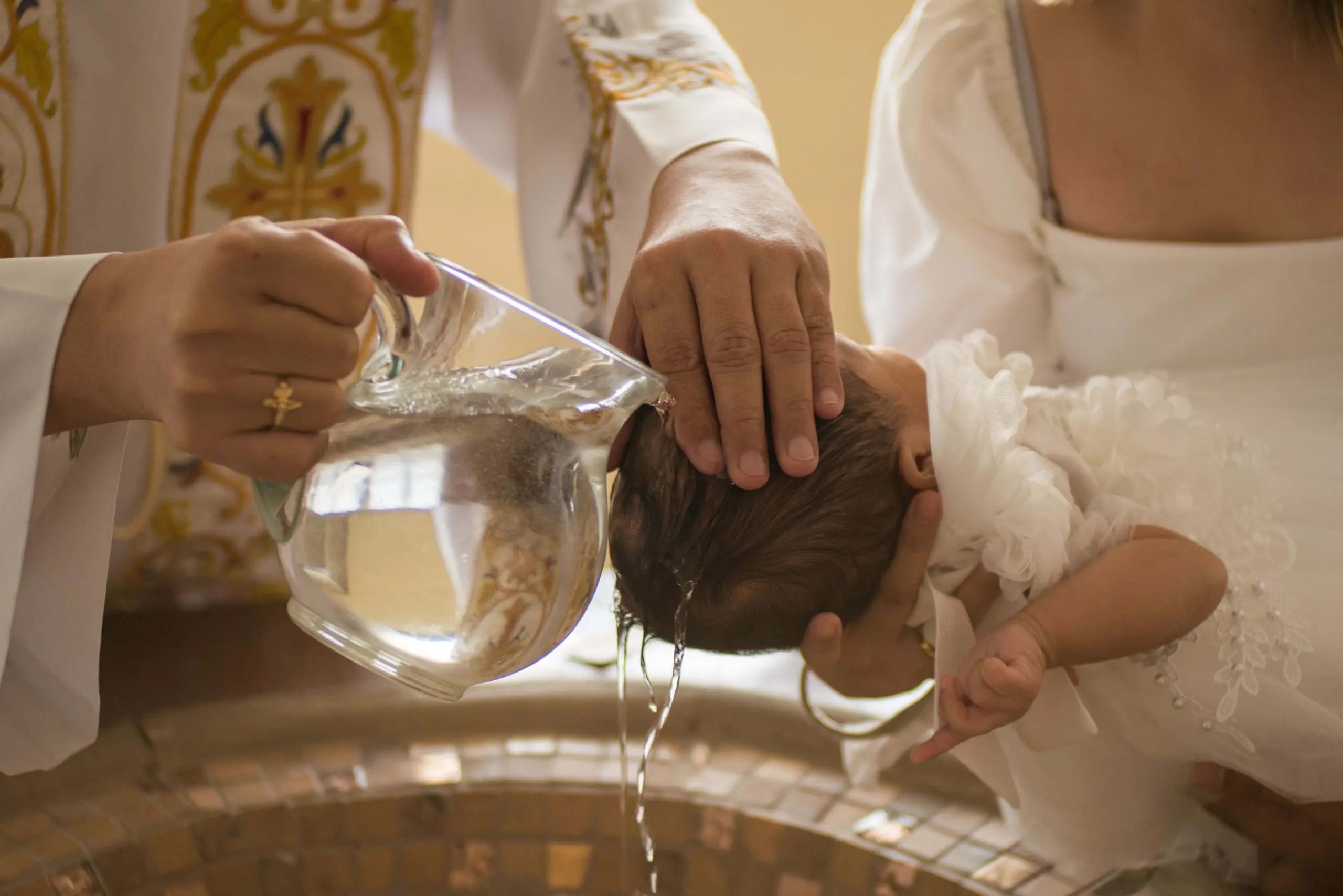
What are some good things to look for in prospective godparents?
We get the specific rules in Canon 874 of the Code of Canon Law.
Can. 874 §1. To be permitted to take on the function of sponsor a person must:
1/ be designated by the one to be baptized, by the parents or the person who takes their place, or in their absence by the pastor or minister and have the aptitude and intention of fulfilling this function;
2/ have completed the sixteenth year of age, unless the diocesan bishop has established another age, or the pastor or minister has granted an exception for a just cause;
3/ be a Catholic who has been confirmed and has already received the most holy sacrament of the Eucharist and who leads a life of faith in keeping with the function to be taken on;
4/ not be bound by any canonical penalty legitimately imposed or declared;
5/ not be the father or mother of the one to be baptized.
§2. A baptized person who belongs to a non-Catholic ecclesial community is not to participate except together with a Catholic sponsor and then only as a witness of the baptism.
While a non-Catholic Christian can serve as a “Christian witness,” there must still be a Catholic godparent.
Beyond these norms, pastoral prudence suggests four basic things that help us know that people will be good godparents.
Sacramental life
Sacramental life is key. First of all, to be a godfather or godmother, the Church requires that the person must be a practicing Catholic who has received the sacrament of confirmation.
This means that the person is not married outside the Catholic Church or cohabitating. In this context, getting “married outside the Church” refers to a Catholic who gets married in a civil ceremony, without following the Church norms regarding marriage. Furthermore, the pastoral ideal would suggest that the person should be attending Mass regularly and sacramental confession is part of Catholic life as well.
Proximity
The idea is that these people help make sure the child is raised Catholic. This means that there must be some sort of regular contact with them. Oftentimes, this could be seen as an argument in favor of family members. Sometimes, friends drift in and out of our lives over time, while we tend to maintain contact with family members even when we or they move. However, this may not always be the case. While it is preferable that the godparents live close to the family so that there can be frequent contact, there should at least be a reasonable expectation that the godparents will be able to exert significant influence in the faith life of the child, supporting the parents in their role of raising their child in the Catholic faith.
Faithfulness
The godfather or godmother should be faithful. We do not want the parents to explain something about Catholic teaching or morality, only to be contradicted by what the godparents say or how they live. If the parents are trying to get the child to Mass every Sunday, but he or she sees that the godparents never go to Mass, this contrast can be disturbing to the life of faith.
Ability to mentor
A lot of people think that the godfather or godmother is going to get the child presents for birthdays, graduations, and important life events. More valuable, however, is the fact that this person can develop a mentoring relationship to support the parents in moments when it is more difficult for them to have direct dialogue with their child. Perhaps as a teenager, communication breaks down with mom or dad but the young person still feels confident going to his or her godparent. When the godparent preaches the same values as the parents, these dialogues can prove lifesaving for the young person.
What to Avoid
Sometimes, there are friends and family whom we esteem greatly but who do not share the same values. There are other ways to honor your friendship. Your child needs good godparents. Don’t compromise his or her spiritual health to honor your roommate from college or your sister. It’s not worth it.
Sometimes, people find that their family members would not be good godparents and when they look around at their friends, none of them are Catholic. Invest time in finding good Catholic friends. If you find yourself without a clear choice, don’t see this as a failure, but as an invitation to lean deeper into your parish community. Ask your pastor for recommendations; often, there are “spiritual giants” in the pews who would be honored to step into this role.
In summary…
Four Pillars of a Great Godparent
Pillar
What to look for…
Sacramental Life
Do they attend Mass? If married, is their marriage recognized by the Church? Do they value Confession?
Proximity
Will they actually be in your child’s life? Whether they live nearby or stay close via tech, they need to be a persistent presence.
Faithfulness
Does their lifestyle support what you are teaching at home? You want a partner in the faith, not a contradiction.
Mentorship
Could your child talk to them when they can’t talk to you? Look for someone who can be a trusted guide through the difficult teenage years.